
What Is a Personal Loan? Complete 2026 Guide to Types, Rates & How to Get One
Over 45 million Americans applied for a personal loan between 2024 and 2026. Forty-five million. That’s not a niche financial move anymore, it’s basically mainstream. And if you’re sitting there wondering whether a personal loan makes sense for your medical bill, your credit card debt, or that home renovation you keep putting off, you’re asking the right question at the right time.
Here’s what nobody tells you upfront: the difference between a smart personal loan and an expensive mistake often comes down to ONE thing, knowing your numbers before you apply. Right now, in 2026, average APRs sit at 12.27%, but borrowers with strong credit are locking in rates as low as 6.24%. That’s not a small gap. That’s the difference between paying off your debt faster and feeling stuck in it. I want better for you than that.
So let’s fix that knowledge gap right now. In this guide, I’ll break down exactly what a personal loan is, walk you through every type out there, show you current rates by credit score, and hand you a step-by-step path to approval, possibly even by tomorrow. You deserve to borrow smart, not just borrow fast.
What Is a Personal Loan? Complete Definition & How It Works
What Is a Personal Loan? The Simple Definition
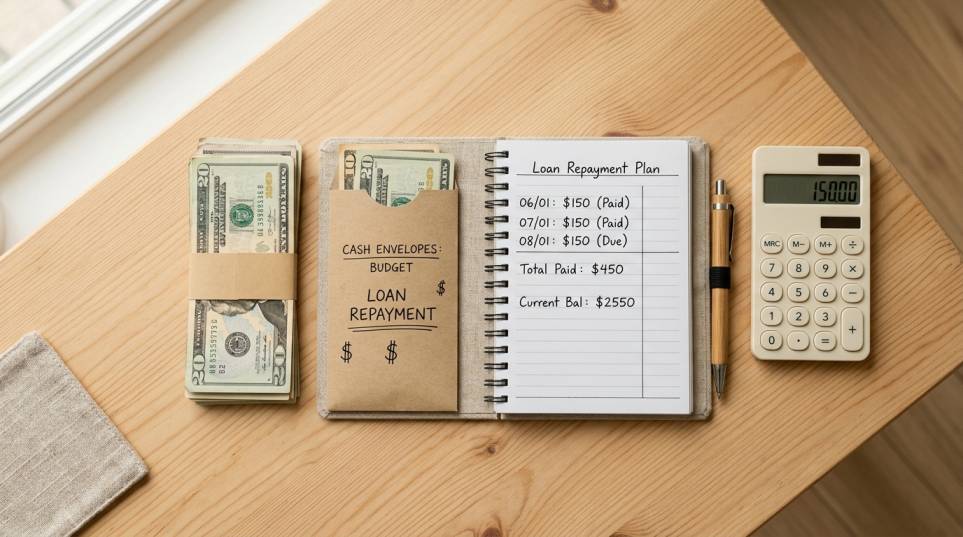
Let’s start with the basics, because I’m a big believer in nailing the fundamentals before you make any financial move. A personal loan is exactly what it sounds like — money you borrow for personal use, paid back over time. No fancy tricks, no hidden mechanics. Just a straightforward financial tool that millions of Americans use every single year.
Personal Loan Definition Explained
Here’s the deal in plain English. When you take out a personal loan, you’re borrowing a fixed lump sum upfront. You don’t draw from it slowly like a credit card — you get it all at once.
You then pay it back in fixed monthly installments over a set period, usually anywhere from 1 to 10 years. Most lenders let you choose your term based on what fits your budget.
And here’s the part I LOVE about unsecured personal loans specifically: you don’t need collateral. No house, no car, no savings account on the line. The lender approves you based on your creditworthiness, income, and overall financial picture — not what you own.
That said, some personal loans ARE secured (more on that shortly), and those work a little differently. But for most borrowers with decent credit, unsecured is the way to go.
How Does a Personal Loan Work?
I want you to picture the actual process, because it’s way simpler than people expect. Here’s how it breaks down, step by step:
- Apply online — This takes 5 to 10 minutes with most lenders. You’ll need basic info: income, employment, Social Security number, and the loan amount you want.
- Get approved — Some lenders approve you instantly. Others take up to 24 hours. Either way, it’s fast compared to traditional bank loans.
- Receive your funds — Depending on the lender, you’ll see money in your account anywhere from the same day to 3 business days later.
- Repay monthly — You make fixed payments (or variable, depending on your loan type) until the balance hits zero.
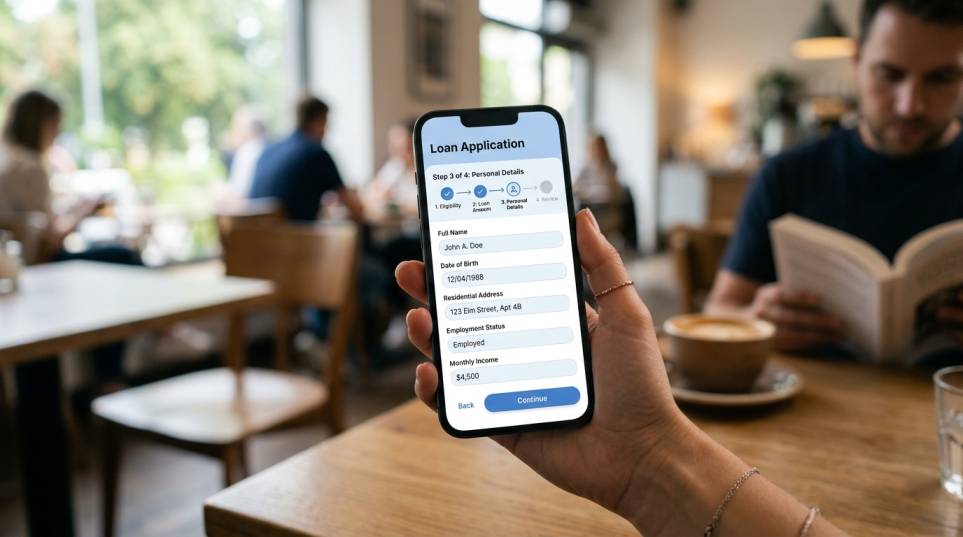
That’s it. Four steps, and you’ve gone from “I need cash” to “I have cash” in less time than it takes to binge a Netflix series.
Pro Tip: Apply with 2-3 lenders within a 14-day window. Multiple personal loan inquiries in that timeframe count as ONE inquiry on your credit report (it’s treated as rate shopping). This lets you compare offers without tanking your score.
What’s the Purpose of a Personal Loan?
You might be wondering, “Okay, but what do people actually USE these for?” Great question. Personal loans are flexible — that’s honestly one of their best features. Common uses include:
- Debt consolidation — Roll multiple high-interest debts into one manageable payment
- Emergency expenses — Car repairs, unexpected bills, life’s curveballs
- Home improvement — Kitchen remodels, roof repairs, that bathroom you’ve been ignoring
- Medical bills — Cover costs insurance won’t touch
- Weddings — Finance the big day without draining your savings
- Moving costs — Relocation isn’t cheap, and a personal loan can bridge the gap
The beauty here? Unlike a mortgage or auto loan, personal loans aren’t tied to a specific purchase. You get the cash, and you decide where it goes.
Personal Loan vs Other Loan Types
Now, I know what you might be thinking: “Why not just use my credit card?” or “Isn’t a payday loan faster?” Let’s settle this once and for all, because the differences MATTER for your wallet.
Personal Loan vs Credit Card
This comparison comes up constantly, and for good reason. Here’s how they stack up:
| Factor | Personal Loan | Credit Card |
| Average APR | 12.27% | 21.52% |
| Repayment structure | Fixed term | Revolving credit |
| Credit utilization impact | None | Increases ratio |
| Predictability | Fixed monthly payment | Minimum payment varies |
See that APR gap? That’s nearly DOUBLE. If you’re carrying credit card debt, a personal loan for debt consolidation could save you serious money — we’re talking potentially $5,000+ a year depending on your balance.
Plus, a personal loan doesn’t touch your credit utilization ratio the way credit card balances do, since it’s reported as an installment loan, not revolving credit. That’s a quiet win for your credit score.
Personal Loan vs Payday Loan
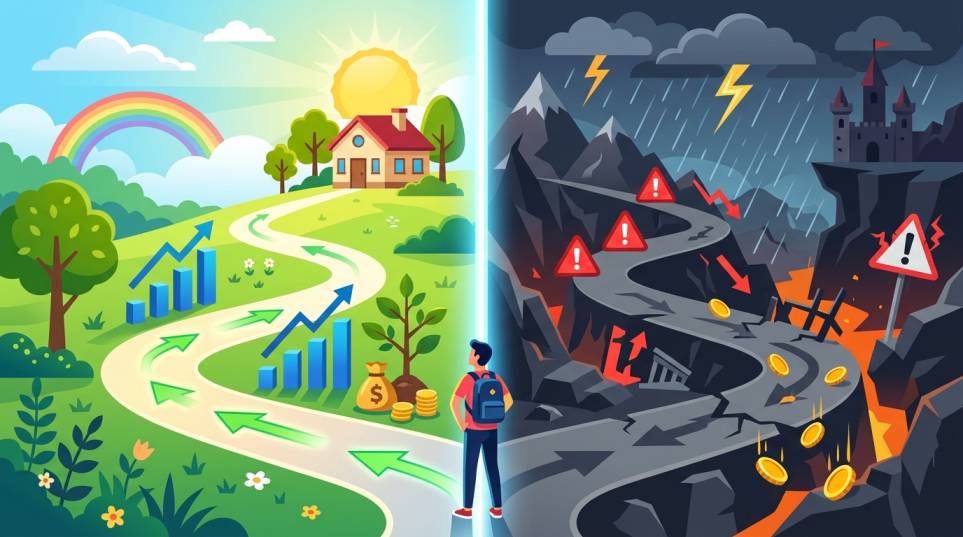
I need to be blunt with you here: avoid payday loans. I’m talking CAPS-LOCK levels of avoid. Payday loans often carry APRs north of 400%. Let that sink in. Four. Hundred. Percent.
Personal loans, even on the higher end, max out around 35.99% APR. That’s still expensive if you have bad credit, but it’s nowhere near the predatory territory payday lenders operate in.
If you’re ever staring down a “quick cash” payday loan ad and feeling desperate, take a breath first. A personal loan — even one with a higher rate — will almost always cost you less in the long run.
Personal Loan vs Home Equity Loan
Home equity loans use your house as collateral. That means if things go sideways, you risk your home. Personal loans, especially unsecured ones, don’t carry that risk.
There’s also a speed difference. Home equity loans typically take around 30 days to close because of appraisals and paperwork. Personal loans? Often funded within 1-3 days. If you need money fast, personal loans win this round easily.
Types of Personal Loans in 2026
Alright, now that you understand what a personal loan IS, let’s talk about your options. And trust me, you’ve got more choices than you probably realized.
Secured vs Unsecured Personal Loans
Unsecured Personal Loan
This is the most popular type, and it’s easy to see why. No collateral. No risking your car or savings. Just your word (backed by your credit history) on the line.
This category sees a massive 124,000 monthly searches, which tells you something — people WANT this option. It’s best suited for borrowers with a 670+ credit score, since lenders take on more risk without collateral and price accordingly.
Secured Personal Loan
If your credit score isn’t where you’d like it (think below 580), a secured personal loan might be your move. You back the loan with an asset — your car, a savings account, sometimes even a CD.
The upside? Lower rates than you’d get unsecured with bad credit. The downside, and I mean this seriously: if you default, you could lose that asset. Don’t take this route unless you’re confident in your repayment plan.
Fixed-Rate vs Variable-Rate Personal Loans
Fixed Rate Personal Loan
I’m partial to fixed-rate loans, and here’s why: your interest rate NEVER changes. You know exactly what you owe every single month, for the entire loan term. This search term alone pulls 68,000 searches a month, so clearly I’m not the only fan.
Fixed rates are especially smart for longer loans (5-10 years), since you’re locking in protection against any future rate hikes.
Variable Rate Personal Loan
Variable rate loans often start lower than fixed rates — sometimes 0.5% to 3% lower initially. Tempting, right? But here’s the catch: that rate can climb.
Given where we’re sitting in 2026, with rate uncertainty heading into 2027, I’d personally lean fixed unless you’re planning to pay the loan off quickly (within a year or two) before any rate changes can hurt you.
Pro Tip: If you choose variable, ask your lender about rate caps. Some cap how high your rate can climb, which softens the risk considerably.
Other Specialized Personal Loan Types
Beyond the basic structure, personal loans get used for specific situations. Let’s break down the big ones.
| Loan Type | Monthly Searches | Best Lender Match | Key Benefit |
| Debt Consolidation | 135,000 | SoFi, PenFed | Save $5,000+/year on interest |
| Emergency | 74,000 | LightStream, SoFi | Funding within 24 hours |
| Home Improvement | 87,000 | LightStream | Up to $100K, tax-free unlike HELOC |
| Medical Bills | 48,000 | Upstart, Happy Money | No income verification required |
| Small Business | 94,000 | Various | Alternative to slow SBA process |
Debt Consolidation Personal Loan
This is one of the highest-value moves you can make if you’re juggling multiple high-interest debts. Roll your credit cards into ONE personal loan, and you could save thousands annually in interest. SoFi and PenFed both specialize here, with PenFed standing out for zero origination fees.
Emergency Personal Loan
Life happens fast, and sometimes you need funds FAST. LightStream and SoFi both offer same-day to 24-hour funding for emergencies, which makes them solid picks when time is the priority.
Home Improvement Personal Loan
Want to renovate without tapping your home equity? A home improvement personal loan, like those from LightStream (up to $100K), gets the job done — and unlike a HELOC, there’s no risk to your house and the funds aren’t taxed.
Medical Bills Personal Loan
Medical debt is brutal, and providers don’t always offer flexible payment plans. Lenders like Upstart and Happy Money make this easier, often skipping strict income verification since they focus more on overall creditworthiness.
Small Business Personal Loan
If you’re a small business owner and the SBA process feels like watching paint dry, a personal loan can cover equipment or inventory needs faster. Just know you’re personally liable, since it’s not a business loan in the traditional sense.
Personal Loan Interest Rates & APR in 2026
Let’s talk numbers, because at the end of the day, your rate determines how much this loan actually COSTS you.
Current Personal Loan Interest Rates (June 2026)
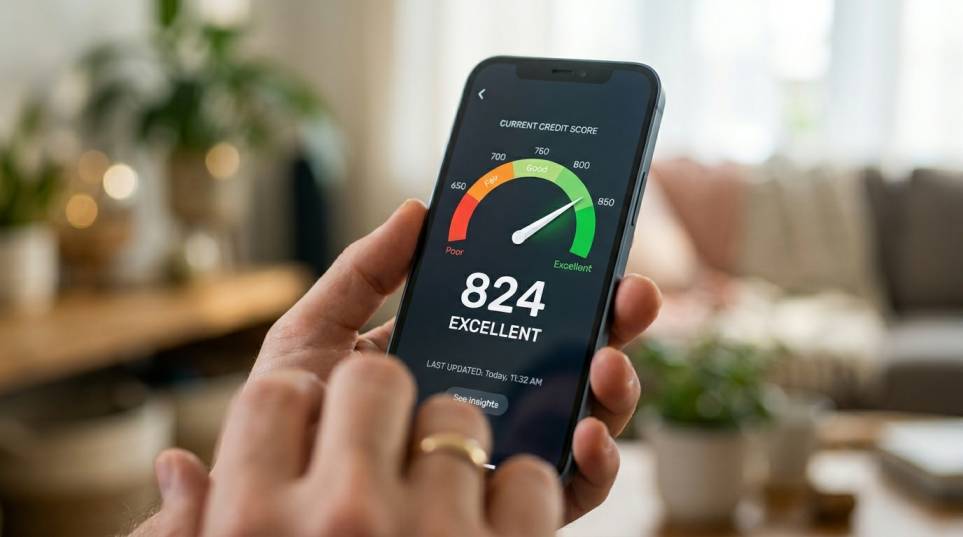
Average Personal Loan APR
As of June 2026, here’s where rates stand:
| Credit Score Range | APR Range |
| Excellent (720+) | 6.20% – 7.74% |
| Good (670–719) | 8.5% – 12% |
| Fair (580–669) | 15% – 25% |
| Bad (<580) | 25% – 35.99% |
The national average sits at 12.27%. But notice the SPREAD between excellent and bad credit — that’s nearly 30 percentage points. Your credit score isn’t just a number; it’s the difference between an affordable loan and an expensive one.
Personal Loan Rates 2026 by Lender
| Lender | APR Range |
| LightStream | 6.24% – 17.5% |
| SoFi | 6.99% – 21% |
| Upstart | 9% – 35.99% |
| Marcus | 6.99% – 19.99% |
| Discover | 6.99% – 24.99% |
LightStream consistently offers the lowest starting rates, making it a strong pick if you’ve got excellent credit.
How to Get the Lowest Personal Loan Rate
Credit Score for Personal Loan
Your credit score is the single biggest lever you control. Here’s the breakdown:
- 670+: Best rates, typically 6.24%-8.5%
- 620-669: Moderate rates, around 12%-18%
- Below 620: High rates, often 25%+
Pro Tip: If you have time before applying, spend 30-60 days improving your score by 20-30 points. Pay down credit card balances and avoid new credit inquiries. That small bump can shift you into a better rate tier and save you real money.
Low Interest Personal Loans Tips
You’re not stuck accepting the first offer you see. Try these moves:
- Shop multiple lenders — Compare 3-5 offers before committing
- Choose a shorter term — A 3-year loan beats a 7-year loan on total interest paid
- Set up autopay — Many lenders knock off 0.25%-0.5% for automatic payments
- Consider a cosigner — A cosigner with strong credit can unlock better rates
Fixed Rate Personal Loan Benefits
I keep coming back to fixed rates because, honestly, predictability is underrated. No surprise rate hikes. No guessing what next month’s payment looks like. Given the rate uncertainty hanging over 2026 into 2027, locking in a fixed rate now feels like the smart, steady move.
Personal Loan Interest Calculator

How to Calculate Your Monthly Payment
Here’s the formula, if you want to crunch the numbers yourself:
Payment = (Loan Amount × APR) / (12 × (1 – (1 + APR/12)^-terms))
I know, I know — that looks like something out of a math textbook. Let me make it real: a $10,000 loan at 12% APR over 5 years comes out to roughly $222/month.
Total Cost of Your Personal Loan
Don’t just look at the monthly payment — look at the TOTAL cost, including interest and any fees. That same $10,000 loan at 12% APR over 5 years? You’ll pay about $6,320 in total interest over the life of the loan.
That’s a big number, and it’s exactly why shopping for the lowest rate matters so much. A few percentage points can mean thousands of dollars difference.
Average Personal Loan Monthly Payments
To give you a quick reference, here’s what monthly payments look like at 12% APR over 5 years:
| Loan Amount | Monthly Payment |
| $5,000 | $111 |
| $10,000 | $222 |
| $25,000 | $556 |
Use these as ballpark figures, then plug your own numbers into a calculator before you commit. Knowing your real payment upfront means no surprises later.
Personal Loan Eligibility & Credit Requirements
You’ve got the basics down. Now let’s talk about whether YOU actually qualify, because understanding eligibility upfront saves you from wasted applications and unnecessary credit dings.
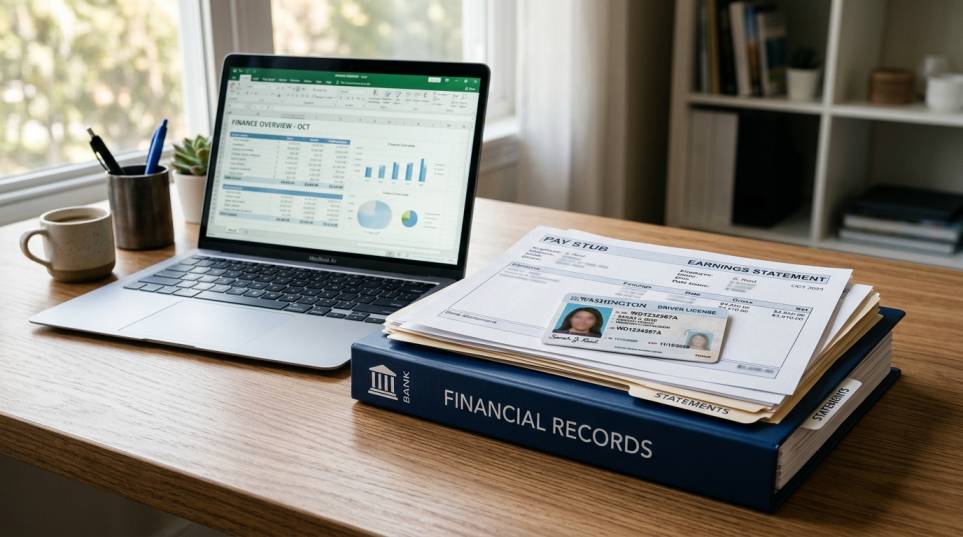
Personal Loan Eligibility Requirements 2026
Minimum Credit Score Needed
Your credit score is the gatekeeper here, plain and simple. Here’s where the lines are drawn:
- 670+ (Good-Excellent): Best rates available, period
- 580 (Fair): Minimum most lenders accept
- 580+ with no credit check: Lenders like Upstart and Happy Money focus more on income and overall financial behavior than a strict credit pull
If you’re sitting below 580, don’t panic. Your options narrow, but they don’t disappear. We’ll cover bad-credit lenders shortly.
Income Requirements
Credit score isn’t the only factor. Lenders want to know you can actually REPAY the loan. Here’s what they’re typically looking for:
- Minimum annual income: $15,000–$25,000, depending on the lender
- Debt-to-income ratio: Under 50% (lower is always better)
- Employment stability: 2+ years at your job is preferred, though not always required
I’ll be straight with you: a high income with bad credit can sometimes outperform good credit with shaky income. Lenders look at the FULL picture, not just one number.
Required Documents
Get these ready BEFORE you apply, and you’ll move through the process so much faster:
- ✅ Social Security number
- ✅ Proof of income (pay stubs, tax returns)
- ✅ Bank statements (last 2 months)
- ✅ Employment verification
- ✅ Proof of address (utility bill, lease agreement)
Pro Tip: Scan and save these documents as PDFs ahead of time. When you’re comparing multiple lenders, having everything ready means you can submit applications back-to-back instead of scrambling for paperwork each time.
How to Qualify for a Personal Loan
7 Proven Tips to Get Approved
I’ve boiled this down to seven moves that actually make a difference:
- Check your credit score first — Use a free tool like Credit Karma. Know your number before lenders do.
- Reduce your debt-to-income ratio — Aim for under 30% if possible. Pay down what you can first.
- Apply with multiple lenders within 14 days — This protects your credit score from multiple hard-inquiry hits.
- Add a cosigner if you can — A cosigner with strong credit can swing approval odds (and rates) in your favor.
- Choose a shorter term — A 3-year term over a 7-year term signals lower risk to lenders.
- Opt for autopay — Many lenders reward this with a 0.25% rate discount.
- Prequalify first — This step has zero credit impact and shows you real numbers before you commit.
Personal Loan for Bad Credit
If your credit score isn’t where you want it, you’re far from alone — this is a massive search category, and for good reason. Bad credit doesn’t lock you out entirely.
Lenders like Upstart, Happy Money, and NetCredit specialize in working with borrowers in this range. Expect APRs between 25%-35.99%, with loan amounts typically capped between $1,000-$25,000.
Yes, the rates sting. But compared to a payday loan’s 400% APR, this is still the smarter, safer path.
Personal Loan with Low Income
Low income doesn’t automatically disqualify you either. As long as you meet the minimum threshold (around $15K/year), lenders like Avant and Prosper are worth exploring. They tend to weigh overall financial behavior more heavily than a single income figure.
How Much Can I Borrow with a Personal Loan?
Loan Amount Limits by Credit Score
Here’s a quick reference table so you know roughly what’s available to you:
| Credit Score | Max Loan Amount | Example Lenders |
| 670+ | Up to $100,000 | LightStream, SoFi |
| 620–669 | Up to $50,000 | Various |
| 580–619 | Up to $25,000 | Various |
| Below 580 | Up to $10,000 | Upstart, NetCredit |
Personal Loan for Consolidating Credit Card Debt
If debt consolidation is your goal, this is where personal loans REALLY shine. Rolling high-interest credit card balances into one fixed personal loan can save you 15% or more on interest, depending on your current rates.
SoFi and PenFed both stand out here, especially PenFed with its zero origination fee policy. That’s money staying in your pocket instead of a lender’s.
How to Get a Personal Loan (Step-by-Step 2026 Guide)
Okay, you understand the eligibility piece. Now let’s walk through the actual application process, start to finish. I’m breaking this into six clear steps so you know exactly what’s coming.
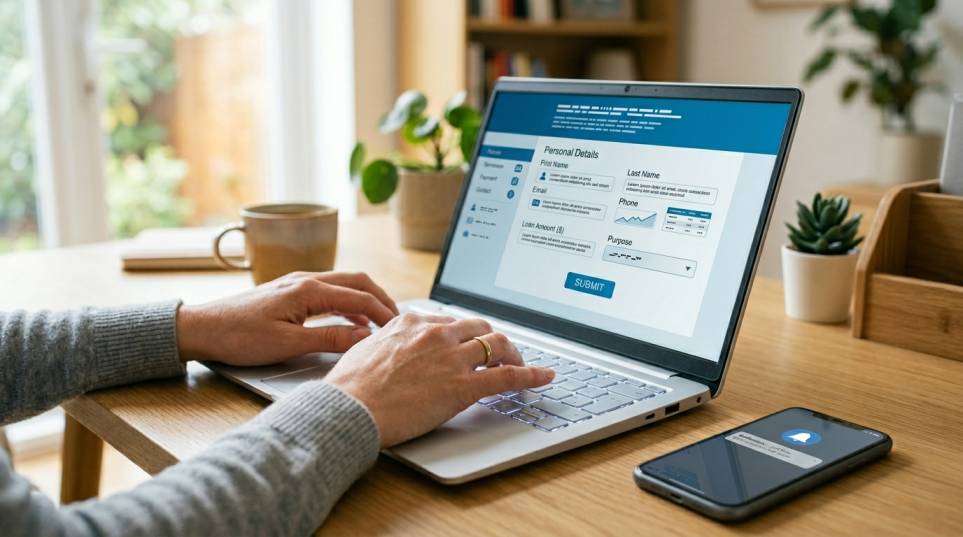
Personal Loan Application Process
Step 1: Check Your Credit Score
Start here, always. Free tools like Credit Karma or WalletHub give you an accurate snapshot in minutes. If your score needs work, pay down 20% of your existing debt before applying — even small reductions can bump you into a better rate tier.
Step 2: Determine Loan Amount & Purpose
Don’t just guess a number. Use a personal loan interest calculator to figure out what payment fits your budget. And here’s a tip I genuinely live by: avoid borrowing more than you actually need. That “extra cushion” amount? It just means more interest paid over time.
Step 3: Prequalify with Multiple Lenders
This step is GOLD, and too many people skip it. Personal loan preapproval lets you see real rate estimates without any impact on your credit score.
Compare APR, fees, and terms across at least 3-5 lenders. And remember that 14-day window I mentioned earlier — applying within that timeframe means multiple checks count as a single inquiry.
Step 4: Choose Your Best Offer
Once you’ve got your offers lined up, compare them side by side:
| Factor | What to Check |
| APR | Total interest rate, not just the “starting from” number |
| Origination fee | Some lenders charge 0%, others up to 8% |
| Term length | Shorter terms save on total interest |
Watch for hidden fees buried in the fine print. A slightly higher APR with zero fees can sometimes beat a lower APR loaded with charges.
Step 5: Submit Your Full Application
Once you’ve picked your lender, the full application typically takes 15-30 minutes online. Upload your documents (SSN, income proof, bank statements), double-check everything, and submit.
Step 6: Get Approved & Receive Funds
Depending on your lender, you could see instant approval or wait up to 24 hours. Funding follows shortly after — anywhere from same-day to 3 business days.
How to Get a Personal Loan Fast
Instant Personal Loan Approval Options
If speed is your priority, here’s how the top lenders stack up:
| Lender | Approval Speed | Funding Speed |
| LightStream | Fast decision | 24 hours |
| SoFi | Quick review | 1-2 business days |
| Upstart | Instant decision | 1 business day |
| Discover | Same-day approval | Same day |
What Speeds Up Approval?
A few things genuinely make a difference in how fast you get approved:
- Complete your application 100% — Missing fields cause delays
- Submit accurate documents — Errors trigger manual review
- Get prequalified first — This speeds up underwriting significantly
- Set up autopay — Some lenders prioritize processing for this
Pro Tip: Apply earlier in the week (Monday-Wednesday) if you can. Weekend and Friday applications sometimes sit longer before underwriters review them.
Personal Loan Fees & Costs
Personal Loan Fees Explained
Don’t let fees catch you off guard. Here’s what to watch for:
- Origination fee: 1%-8%, though most reputable lenders charge 0%-5%
- Late payment fee: $15-$39 per missed payment
- Prepayment penalty: Rare — most lenders charge 0% for paying off early
- Annual fee: Also rare, typically 0%
Personal Loan Origination Fee
This is one of the most-searched fee questions out there, and for good reason — it directly affects how much money actually lands in your account. LightStream, SoFi, and Discover all charge 0% origination fees, which is a genuine perk.
The average origination fee across the market sits around 2.9%. On a $10,000 loan, that’s roughly $290 taken off the top before you even see the money.
Average Personal Loan Total Cost
Always calculate your TOTAL cost, not just the monthly payment. For example: a $10,000 loan at 12% APR with a 3% origination fee comes out to about $6,610 in total cost over 5 years (interest plus fees combined).
That’s why comparing offers holistically — rate AND fees — matters so much more than just chasing the lowest advertised APR.
Best Personal Loans of 2026: Top 20 Lenders Compared
You’ve made it to the part everyone’s really waiting for: WHO should you actually borrow from? Let’s break it down.
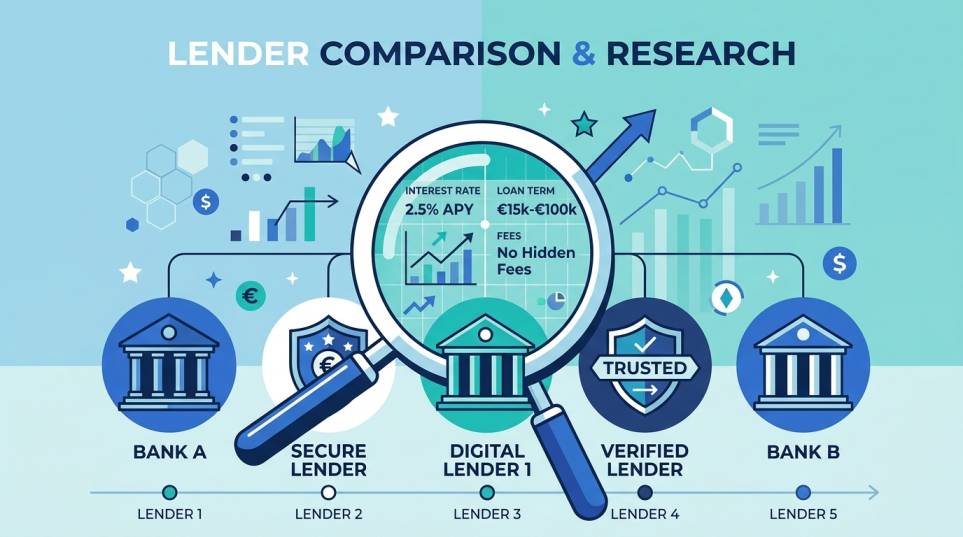
Top 10 Personal Loan Lenders (June 2026)
| Rank | Lender | Best For | APR Range | Loan Amount | Funding Speed |
| 1 | LightStream | Lowest Rates | 6.24%–17.5% | $5K–$100K | Same day |
| 2 | SoFi | Best Overall | 6.99%–21% | $5K–$100K | 1–2 days |
| 3 | Upstart | Bad Credit | 9%–35.99% | $1K–$50K | Instant |
| 4 | Marcus | Fixed Rates | 6.99%–19.99% | $3.5K–$40K | 3–5 days |
| 5 | Discover | Trusted Brand | 6.99%–24.99% | $2.5K–$35K | Same day |
| 6 | Upgrade | Fair Credit | 7.74%–35.99% | $1K–$50K | 1–2 days |
| 7 | Best Egg | Fast Funding | 5.99%–29.99% | $2K–$50K | 24 hours |
| 8 | PenFed | Debt Consolidation | 6.99%–24.99% | $500–$50K | 2–3 days |
| 9 | Avant | Mid Credit | 9.95%–35.99% | $2K–$35K | 24 hours |
| 10 | LendingTree | Compare Lenders | 5.99%–35.99% | Up to $50K | Next day |
Personal Loan Lenders by Credit Score
Different lenders shine for different credit profiles. Here’s how I’d match you up:
Best for Excellent Credit (720+)
- LightStream (6.24% APR)
- SoFi (6.99% APR)
- Marcus (6.99% APR)
For Good Credit (670–719)
- Discover (6.99% APR)
- PenFed (6.99% APR)
- Truist (6.99% APR)
Best for Fair Credit (580–669)
- Upgrade (7.74% APR)
- Prosper (7.95% APR)
- Rocket Loans (7.27% APR)
Best for Bad Credit (<580)
- Upstart (9% APR, accepts 580+)
- Happy Money (8.99% APR)
- NetCredit (10.99% APR, accepts 580+)
Where to Apply for Personal Loan Online
Top 5 Online Application Platforms
- SoFi — 5-minute approval process, funds in 1-2 days
- LightStream — Instant decision, same-day funding
- Upstart — AI-powered underwriting, instant approval
- Discover — Trusted, established brand with same-day approval
- LendingTree — Compare 10+ lenders in one place, ideal if you want to shop around without filling out separate forms everywhere
Pro Tip: If you’re not sure which lender fits your profile, start with LendingTree. Seeing multiple real offers side by side beats guessing which single lender will give you the best deal.
Personal Loan Use Cases: What Can You Use It For?
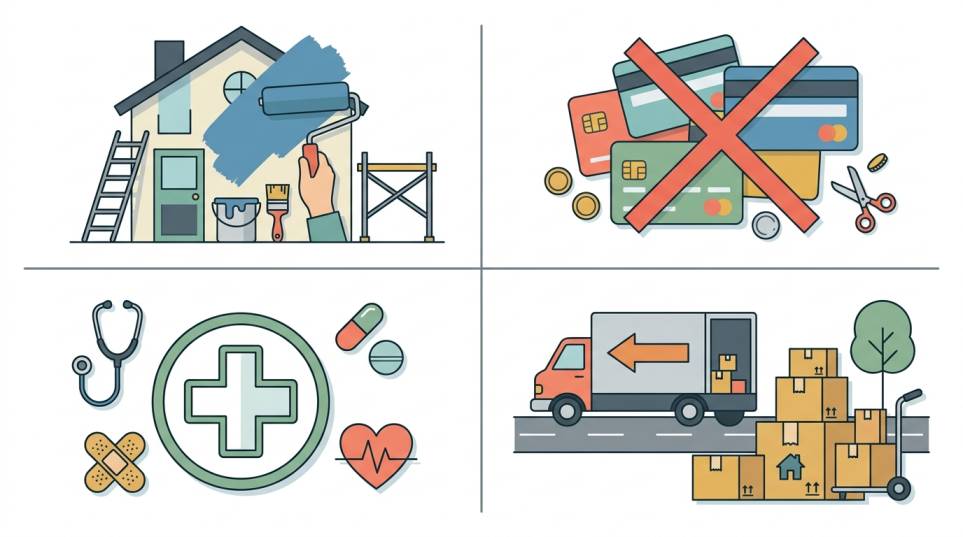
By now you understand the mechanics, the rates, and the qualification process. So let’s talk about the part that actually matters most: what should you DO with this money once you’ve got it?
What Can You Use a Personal Loan For?
The flexibility of personal loans is genuinely one of their biggest selling points. Let’s run through the most common (and smartest) use cases.
Debt Consolidation
This is, hands down, one of the BEST reasons to take out a personal loan. If you’re juggling multiple credit cards with sky-high interest, rolling them into one personal loan can save you $5,000 or more per year, depending on your balances.
SoFi and PenFed are both excellent picks here, especially if you want zero origination fees eating into your savings.
Emergency Expenses
Life throws curveballs — medical bills, sudden car repairs, job loss. When you need cash FAST and have no other cushion, a personal loan can bridge the gap.
LightStream and SoFi both offer funding within 24 hours, which matters a lot when “emergency” actually means emergency.
Home Improvement
Renovations, repairs, energy-efficient upgrades — these all qualify, and frankly, this is one of my favorite uses for a personal loan. Why? Because you’re investing in an asset that holds or increases value.
LightStream offers up to $100,000 for home improvement projects, which covers everything from a kitchen remodel to a full roof replacement.
Medical Bills
Insurance doesn’t cover everything, and medical debt has a way of piling up fast. If you’re facing bills with no coverage, Upstart and Happy Money are solid options, since they tend to evaluate your full financial picture rather than just your credit score alone.
Wedding Costs
I’ll be honest with you — weddings are EXPENSIVE. The average wedding now runs around $35,000. If you’re financing part of your big day, a personal loan beats putting it on a credit card, since you’re looking at roughly 12% APR versus 21.52% on plastic.
Moving Costs
Relocating isn’t cheap either. Between rent deposits, movers, trucks, and storage, costs add up quickly. Most moving-related personal loans fall in the $5,000-$15,000 range, which typically covers the bulk of relocation expenses.
Personal Loan Use Cases You Should Avoid
Here’s where I want to get real with you, because not every use case makes financial sense.
When Is It Smart to Take a Personal Loan?
Let’s separate the smart moves from the risky ones:
✅ Smart moves:
- Lowering your total interest cost (12% personal loan vs 21% credit card)
- Funding something that builds value (home renovation, debt payoff)
- Covering a genuine emergency with no better option available
❌ Avoid these:
- Shopping for things you don’t actually need
- Investing borrowed money (way too risky — markets don’t guarantee returns)
- Vacations, unless it’s a critical, can’t-miss situation
Personal Loan Alternatives to Avoid
I touched on this earlier, but it’s worth repeating because the stakes are high. Stay AWAY from:
- Payday loans — APRs around 400%
- Credit card cash advances — 25%+ APR, plus extra fees on top
- Title loans — APRs exceeding 200%, with your car on the line
A personal loan, even at a higher rate, almost always beats these predatory alternatives.
Personal Loan for Vacation
I know, I know — sometimes you just need to get away. But let’s be honest with each other here. Only consider a vacation loan if it’s tied to something critical, like a family event you genuinely can’t miss with no savings available.
For luxury trips or impulse travel? Skip it. Save up instead. Your future self will thank you.
Personal Loan Repayment & Management
Getting the loan is only half the story. How you manage repayment determines whether this was a smart financial move or a costly one.
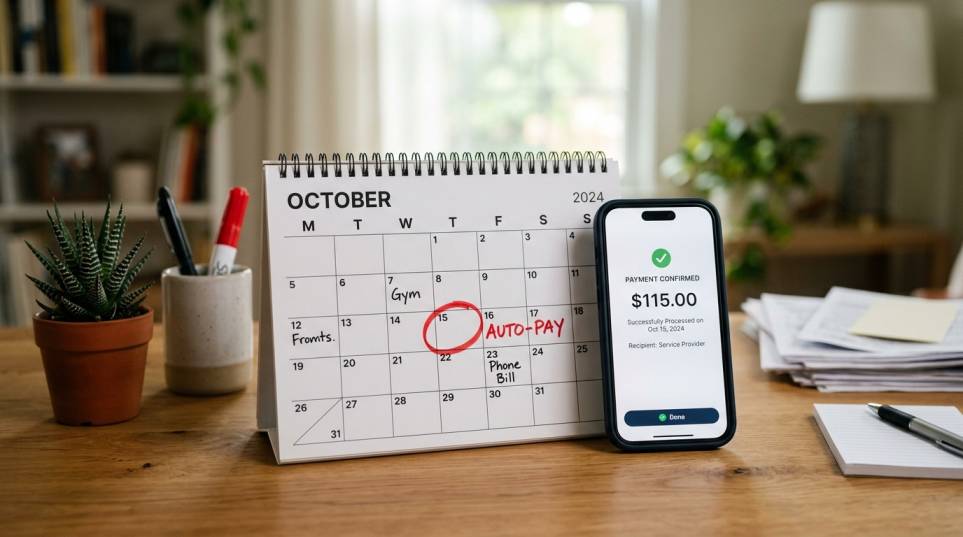
Personal Loan Repayment Terms
Loan Term Length Options
Your term length directly shapes your monthly payment AND your total interest cost. Here’s how the options break down:
| Term Length | Monthly Payment | Total Interest |
| Short-term (12–24 months) | Higher | Lower overall |
| Medium-term (36–60 months) | Balanced | Moderate |
| Long-term (72–120 months) | Lower | Higher overall |
There’s no universally “right” answer here — it depends on what your budget can handle each month versus what you want to pay in total.
Personal Loan Monthly Payments
To put real numbers behind this: a $10,000 loan at 12% APR over 5 years runs about $222/month. Want a lower payment? Stretch the term. Want to save on interest? Shorten it. Your monthly payment and total cost move in opposite directions — there’s always a trade-off.
Personal Loan Repayment Options
Most lenders offer fixed monthly payments, which is the standard and honestly the easiest to budget around. But a couple other options exist:
- Bi-weekly payments — Splitting your payment in half and paying every two weeks results in one extra full payment per year, which chips away at interest faster
- Interest-only periods — Rare, but some lenders offer this for the first 3 months. Be cautious here, since your principal doesn’t shrink during that window
Paying Off Your Personal Loan Early
Personal Loan Early Repayment
Here’s some genuinely good news: paying off your loan early can save you up to 30% of your total interest cost. And most lenders these days charge ZERO prepayment penalties, which means there’s no downside to throwing extra money at your balance.
How to Pay Faster
A few practical ways to accelerate payoff:
- Add an extra $50/month — This alone could save you $1,200+ in interest over the loan’s life
- Switch to bi-weekly payments — That sneaky 13th payment each year adds up
- Apply windfalls directly to principal — Tax refunds, bonuses, side income — redirect it toward your loan balance
Pro Tip: Always confirm with your lender that extra payments apply to PRINCIPAL, not future interest. Some servicers default to applying extra payments toward your next due date instead of reducing your balance — make sure you specify.
What Happens If You Miss a Payment?
Personal Loan Late Payment Fees
Missing a payment isn’t the end of the world, but it’s not cheap either. Expect a fee between $15-$39. The bigger concern, though, is your credit score — going 30+ days late can drop your score by as much as 100 points.
How to Avoid Late Payments
A little prevention goes a long way:
- Set up autopay — Bonus: you often get a 0.25% rate discount too
- Use calendar reminders — Set one a week before your due date, not the day of
- Contact your lender if you’re struggling — Many offer deferment or hardship options. Reaching out BEFORE you miss a payment is always better than after
Personal Loans & Your Credit Score
Let’s wrap up with something everyone wants to understand fully: how does this whole process actually affect your credit?
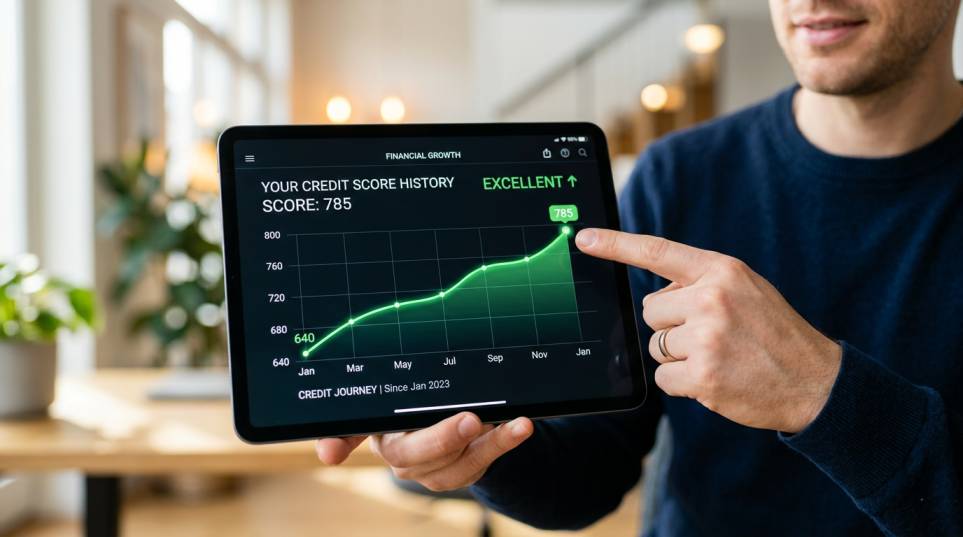
How Personal Loans Impact Your Credit
Personal Loan Credit Utilization
Taking on a personal loan increases your debt-to-income ratio, which can ding your score by 10-30 points initially. This is normal and temporary — it’s simply the natural result of taking on new debt.
Does Applying Hurt Credit Score?
This is a question I get asked constantly, so let’s clear it up:
- Prequalification: Zero impact — it’s a soft credit check
- Full application: Expect a 5-10 point dip — this is a hard inquiry
- Recovery time: Typically 3-6 months, assuming you pay on time
That small, temporary dip is a fair trade-off for getting your full financial picture sorted.
Building Credit with Personal Loan
Here’s the encouraging part: handled responsibly, a personal loan can actually BUILD your credit over time.
- On-time payments can add 20-30 points per year
- 12+ months of consistent payments creates solid positive credit history
- The key word here is consistent — no late payments, period
Personal Loan Refinancing
When to Refinance Your Loan
Sometimes your situation changes after you’ve already taken out a loan. Consider refinancing if:
- Your credit score has improved by 50+ points since you applied
- Market rates have dropped 2% or more
- You can genuinely qualify for better terms now
How to Refinance
The process itself is pretty simple:
- Apply for a new loan with a lower APR
- Use those funds to pay off your old loan completely
- Pocket the savings — often $1,000 or more in reduced interest
Pro Tip: Before refinancing, calculate whether any fees on the new loan eat into your savings. A lower APR doesn’t always mean a better deal if origination fees offset the difference.
10 Common Questions About Personal Loans
You’ve made it through the deep dive, but I know a few quick questions are probably still bouncing around in your head. Let’s knock them out, fast and straight.
Frequently Asked Questions
1. What is a personal loan and how does it work?
A personal loan is a lump sum you borrow and repay in fixed monthly installments, typically over 1-10 years. The process is simple: apply online, get approved (instant to 24 hours), receive funds, then repay monthly until your balance hits zero.
2. What credit score do I need for a personal loan?
The minimum most lenders accept is 580. But if you want the BEST rates — we’re talking 6.24%-7.74% territory — you’ll want a score of 670 or higher.
3. How much can I borrow with a personal loan?
This ranges widely based on your credit, anywhere from $500 up to $100,000. Excellent credit (720+) gets you toward that higher ceiling with lenders like LightStream and SoFi.
4. What can I use a personal loan for?
Pretty much anything personal: debt consolidation, emergency expenses, home improvement, medical bills, weddings, or moving costs. Just avoid using it for things like luxury shopping or risky investments.
5. What is the average personal loan rate in 2026?
The national average sits at 12.27%. But borrowers with excellent credit are landing rates as low as 6.24% with lenders like LightStream.
6. How do I qualify for a personal loan?
Check your credit score, lower your debt-to-income ratio, apply with multiple lenders within a 14-day window, and have your documents (SSN, income proof, bank statements) ready to go.
7. Are personal loans tax deductible?
Generally, no. The one exception worth knowing: if you use the funds for a qualifying business expense or certain home improvement projects, you MIGHT be able to deduct the interest. Talk to a tax professional for your specific situation, since this isn’t something I can give blanket advice on.
8. What are the different types of personal loans?
You’ve got secured and unsecured, fixed-rate and variable-rate, plus specialized types like debt consolidation loans, emergency loans, and home improvement loans.
9. How long does it take to get a personal loan?
Anywhere from 24 hours to 3 business days, depending on your lender. LightStream and Discover both offer same-day funding for qualified borrowers.
10. What happens if I can’t pay back my personal loan?
You’ll face late fees ($15-$39), credit score damage (up to 100 points for 30+ days late), and eventually, the account could go to collections. If you’re struggling, contact your lender BEFORE you miss a payment — many offer hardship deferment options.
Bonus Resources & Tools
Before you go, here are a few free tools worth bookmarking. I genuinely use resources like these myself when comparing financial products.
Free Personal Loan Tools
Personal Loan Interest Calculator
Sites like Bankrate and NerdWallet offer free calculators that estimate your monthly payment and total interest cost in seconds. Plug in your numbers before committing to any offer.
Credit Score Check (Free)
Credit Karma and WalletHub both let you check your score at no cost. Do this BEFORE you start applying anywhere — knowing your number shapes which lenders are realistic for you.
Compare Personal Loan Offers
LendingTree and Experian both let you compare 5-10 lenders instantly, side by side. This is the fastest way to see real rates without filling out separate forms everywhere.
Top 20 Personal Loan Lenders (2026)
For the full comparison table with all 20 lenders, scroll back up to the lender comparison section. Quick standouts worth bookmarking: SoFi, LightStream, Upstart, Marcus, and Discover.

Conclusion: Your Next Move Starts Now
So here’s where we land. You now know what a personal loan actually is, how it works, where 2026 rates stand (6.24%-35.99%, depending on your credit), and the exact steps to get approved. Whether you’re consolidating debt, handling an emergency, or finally tackling that home renovation, a personal loan CAN be a genuinely smart financial tool — but only when you pick the right lender and the right rate for YOUR situation.
Quick takeaways to keep in your back pocket:
- ✅ Best overall: SoFi (6.99% APR, no fees, 1-2 day funding)
- ✅ Lowest rates: LightStream (6.24% APR, up to $100K)
- ✅ Bad credit: Upstart (accepts 580+, instant approval)
- ✅ Debt consolidation: PenFed (6.99% APR, no fees)
- ✅ Fast funding: LightStream or Discover (same-day approval)
Ready to apply? Compare rates from 10+ top lenders in about 5 minutes, with zero credit impact upfront. Click here to compare personal loan offers and see what you could get approved for, possibly by tomorrow.
Don’t let confusion stall your financial goals. You now have the knowledge to make a smart borrowing decision, not just a fast one. Use it well, and a personal loan could genuinely be your path to debt freedom, a finished home renovation, or emergency relief — without the stress and predatory rates of payday loans or runaway credit card debt. You’ve got this.