

Why Smart People Stay Broke: 15 Common Money Mistakes and How to Fix Them
Your friend with the Ivy League degree still winces every time he checks his bank balance. Your coworker who can explain index funds to anyone who’ll listen? Still living paycheck to paycheck. Something isn’t adding up, and it’s not a coincidence. It’s exactly why smart people stay broke.
I’ve watched brilliant people, engineers, doctors, even fellow entrepreneurs, pull in six figures and still feel broke by the 20th of the month. Being good with numbers on a spreadsheet has nothing to do with being good with the numbers in your bank account. Those are two completely different skills. School taught you neither.
Here’s the good news: your net worth has nothing to do with your IQ. It comes down to habits. And habits can be rebuilt at any age, on any income, starting today.
You’ve probably told yourself the story: “I just need to earn more, and everything will sort itself out.” I believed that too, for years. Then I watched people double their income and still end up broke, just with a nicer car in the driveway. More money doesn’t fix bad habits. It just gives them a bigger playground.
You don’t need a finance degree to fix this. You need to know which mistakes are draining your bank account and what to do instead. In this guide, I’m walking you through the 15 money mistakes that quietly keep smart, hardworking people broke, the same ones I see over and over, and exactly how to fix each one.
Ready to stop being the smartest broke person in the room? Let’s get into it.
1. Why Smart People Still End Up Broke

Intelligence Doesn’t Equal Financial Literacy
Nobody ever handed you a class on money. You learned calculus, chemistry, maybe a second language. Nobody sat you down and explained a 401(k), or why credit card debt compounds against you the same way interest compounds for you. School trains your brain for tests. It doesn’t train your brain for a paycheck.
That gap matters more than most people realize. Financial literacy isn’t a nice-to-have skill — it’s the difference between money working for you and money quietly disappearing every month. You can have a genius-level IQ and still make the exact same mistakes as someone who never finished high school, because nobody taught either of you the rules of the game.
Emotional vs. Rational Money Decisions
Here’s something that surprised me the first time I learned it: most money decisions aren’t rational. They’re emotional. You buy the new phone because it feels good, not because the old one stopped working. You skip investing because the stock market feels scary, even when the math says wait too long and you lose.
Behavioral finance has a name for this: we’re wired to seek comfort now and discount our future selves. Stress spending, retail therapy, “I deserve this” purchases — none of that is a math problem. It’s a psychology problem wearing a receipt.
Pro Tip: Before any purchase over $100, wait 24 hours. If you still want it the next day, buy it guilt-free. Most impulse buys don’t survive the wait.
The Wealth Gap Between Income and Assets
A high salary feels like winning. It isn’t the same thing as wealth, and mixing the two up is exactly how smart, high-earning people stay broke.
| Term | What It Actually Means |
| Income | Money coming in — your salary, side hustle, freelance work |
| Wealth | Assets that generate value or income over time — investments, property, ownership |
| Net Worth | Everything you own minus everything you owe |
You can earn $200,000 a year and have a net worth near zero if it’s all going out the door on lifestyle. Meanwhile, someone earning half that, who invests consistently, can quietly out-build you in net worth over a decade. Earning more isn’t enough. What you keep and grow is what counts.
2. Money Mistake #1: Living Beyond Your Means
Signs You’re Spending More Than You Earn
This one hides well behind a healthy-looking paycheck. Watch for these signs:
- Your credit card balance never hits zero
- You’re surprised by your bank balance more often than not
- You finance things you used to pay cash for
- Payday feels like relief instead of progress
If two or more of these sound familiar, you’re spending beyond your means, even if your bank account doesn’t feel “broke” yet.
Lifestyle Inflation Explained
You get a raise. Suddenly the apartment feels too small, the car feels outdated, and dinner out becomes a weekly habit instead of a treat. That’s lifestyle inflation — your spending rising to match, or exceed, every dollar of new income. It’s sneaky because each individual upgrade feels earned. Stacked together, they quietly eat every raise you’ll ever get.

How to Fix It
- Spend less than you earn. Simple to say, non-negotiable to build wealth. Every dollar of gap is a dollar you can invest.
- Follow the 50/30/20 budget. 50% needs, 30% wants, 20% savings and debt payoff. It’s a starting framework, not a law — adjust it to your life.
- Track expenses monthly. You can’t fix what you don’t measure. Even a rough monthly review catches leaks you didn’t know were there.
3. Money Mistake #2: Never Following a Budget
Why Budgeting Isn’t Restrictive
Say “budget” out loud and most people picture deprivation — no coffee, no fun, spreadsheets forever. Flip that. A budget is just a plan for your money before it plans itself for you, usually badly. It’s the difference between telling your money where to go and wondering where it went.
Simple Budgeting Methods
| Method | How It Works | Best For |
| Zero-based budgeting | Every dollar gets assigned a job until you hit zero | People who like structure |
| Envelope budgeting | Cash (or digital “envelopes”) per category, spend until it’s gone | People who overspend on cards |
| Pay-yourself-first budgeting | Savings comes out before anything else | People who want simplicity |
None of these is objectively “the best.” The best budget is the one you’ll actually stick with past week two.
Best Budgeting Apps
If spreadsheets aren’t your thing, an app does the tracking for you:
- YNAB (You Need a Budget) — built around the zero-based method, strong for people serious about changing habits
- EveryDollar — simple, beginner-friendly zero-based budgeting
- Monarch Money — good for couples tracking finances together
Pro Tip: Whatever method or app you choose, review it weekly, not just monthly. Five minutes a week catches problems while they’re still small.

4. Money Mistake #3: Saving What’s Left Instead of Paying Yourself First
Why Most People Never Save
Here’s the trap: pay every bill, cover every expense, buy the things you want, then “save whatever’s left.” Nothing’s ever left. Life expands to fill whatever room you give it, and savings gets treated like an afterthought instead of a bill you owe yourself.
Flip the order. Pay yourself first, then let everything else fight for what remains.
Automate Your Savings
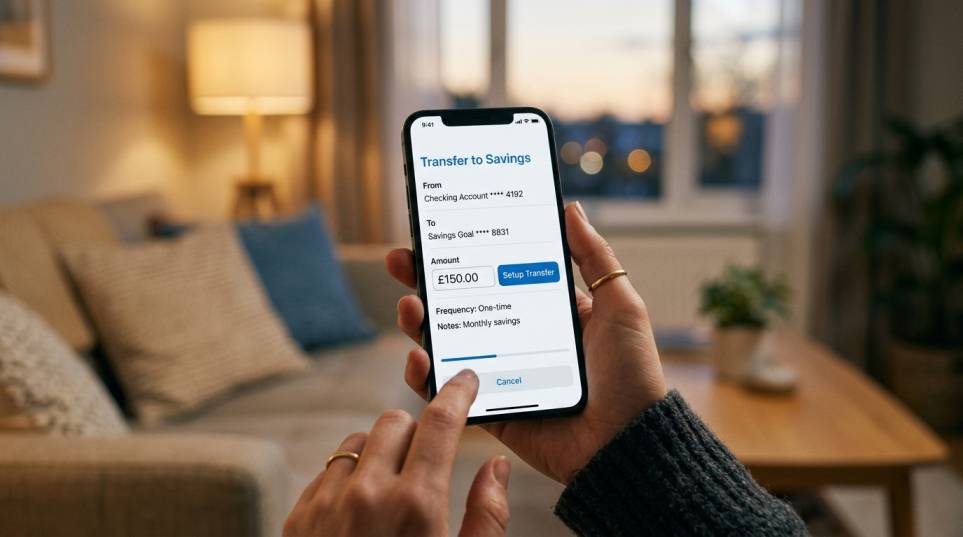
Willpower runs out by Thursday. Automation doesn’t. Set a transfer to move money into savings or investments the same day your paycheck lands, before you ever see it in checking.
- Rocket Money — tracks spending and flags subscriptions quietly draining your account
- Acorns — rounds up everyday purchases and invests the spare change automatically
Once it’s automatic, saving stops being a decision. It just happens.
Build an Emergency Fund
Three to six months of expenses, sitting in a separate account you don’t touch for anything except an actual emergency. Not a sale. Not a “great deal.” An emergency.
Pro Tip: Start with a $1,000 mini emergency fund first. It’s small enough to hit fast, and it stops you from reaching for a credit card the next time your car needs a repair.
5. Money Mistake #4: Depending on One Source of Income
Why One Paycheck Is Risky
One employer. One paycheck. One layoff away from real trouble. That’s not a character flaw — it’s just math. When 100% of your income comes from one place, 100% of your income can disappear overnight.
Diversifying income isn’t about hustle culture. It’s about not betting your entire financial life on one company’s decisions.
Ways to Diversify Income
| Income Stream | Time to Start | Effort Level |
| Side hustles | Days | Low–Medium |
| Dividend investing | Weeks | Low (after setup) |
| Freelancing | Days | Medium |
| Digital products | Weeks–Months | Medium–High upfront |
| Rental income | Months | High upfront |
Pick one that fits your skills and your schedule, not whatever’s trending online. A tired side hustle you resent won’t last past month two.
Pro Tip: Dividend investing through a platform like M1 Finance is one of the lowest-effort ways to build a second income stream — you set it up once and let compounding do the work.

6. Money Mistake #5: Avoiding Investing
Why Saving Alone Won’t Make You Wealthy
Savings accounts feel safe. They’re also losing ground every year, quietly, to inflation. A dollar sitting in a 0.5% savings account today buys less next year, guaranteed. Investing is how your money actually grows faster than prices rise.
Avoiding the market because it feels risky is understandable. It’s also the riskiest move of all, long-term — because “safe and shrinking” isn’t actually safe.
Beginner Investing Basics
You don’t need to pick stocks or time the market. You need a handful of basics:
- Index funds — a single fund that owns pieces of hundreds of companies, spreading out your risk automatically
- ETFs — similar to index funds, traded like a stock, usually low-cost
- Retirement accounts — 401(k)s and IRAs, often with tax advantages that boost your returns before you even factor in growth
- Compound interest — your returns start earning their own returns, and the earlier you start, the harder this works in your favor
| Account/Tool | Best For | Where to Start |
| 401(k) | Employer match, tax-deferred growth | Through your employer |
| Roth IRA | Tax-free growth, flexible | Fidelity, Charles Schwab, Vanguard |
| Taxable brokerage | No contribution limits | Fidelity, Charles Schwab, Vanguard |
Fidelity, Charles Schwab, and Vanguard all offer solid low-fee options for beginners — you genuinely can’t go too wrong picking any one of the three.

Pro Tip: If a 401(k) match is on the table at work, contribute at least enough to get the full match before anything else. That’s free money, and skipping it is one of the most common wealth-building mistakes people make without realizing it.
7. Money Mistake #6: Accumulating Bad Debt
Good Debt vs Bad Debt
Not all debt is the enemy. A mortgage on a home that appreciates, or a student loan that boosts your earning power — that’s debt working for you. Debt that funds a lifestyle you can’t actually afford is a different animal entirely.
| Debt Type | Example | Builds Wealth? |
| Good debt | Mortgage, business loan, student loan | Often, yes |
| Bad debt | Credit cards, payday loans, car loans on depreciating vehicles | Rarely |
The test is simple: does this debt buy something that grows in value or earning power, or something that loses value the moment you drive it off the lot?
Credit Card Debt Trap
Credit cards feel harmless until the interest kicks in. Most cards carry 20%+ APR, which means a $5,000 balance can cost you thousands in interest alone if you’re only making minimum payments. That’s not a mistake smart people make because they’re bad at math. It’s a mistake they make because minimum payments feel manageable, right up until they aren’t.

Debt Payoff Strategies
Two proven methods, same goal, different psychology:
- Avalanche Method — pay off the highest-interest debt first, minimums on everything else. Mathematically the fastest and cheapest route out of debt.
- Snowball Method — pay off the smallest balance first, regardless of interest rate. Slower on paper, but the quick wins keep you motivated.
Pro Tip: If you know you’ll lose steam without small wins, go snowball. If you’re disciplined and just want the cheapest path out, go avalanche. Rocket Money can also track every balance in one place, so you’re not juggling five different logins to see where you stand.
8. Money Mistake #7: Ignoring Financial Goals
Why Goals Create Direction
Money without a goal just leaks out wherever life pulls it. You end up busy, working hard, and somehow no closer to anything specific. A goal turns “I should save more” into an actual destination you’re building toward.
SMART Financial Goals
Specific, Measurable, Achievable, Relevant, Time-bound. Vague goals like “save more money” rarely survive contact with a bad month. Compare the two:
| Vague Goal | SMART Goal |
| Save more money | Save $5,000 for an emergency fund by December |
| Pay off debt | Pay off $3,200 in credit card debt in 8 months |
| Invest more | Contribute 15% of income to retirement starting next paycheck |
The second column gives you a finish line. The first one doesn’t.
Tracking Your Progress
A goal you never check is just a wish. Review your progress monthly, not obsessively daily. Apps like Monarch Money or Quicken Simplifi can pull your accounts into one dashboard, so tracking takes minutes instead of becoming its own part-time job.
Pro Tip: Write your goal somewhere you’ll actually see it, not buried in a notes app you never open. A sticky note on your monitor beats a forgotten spreadsheet every time.
9. Money Mistake #8: Trying to Look Rich Instead of Becoming Wealthy
The Social Media Comparison Trap
The house, the car, the vacation photos. Most of what looks like wealth online is financed, leased, or borrowed against a future that hasn’t arrived yet. Comparing your finances to someone’s highlight reel is comparing your real bank account to someone else’s performance.
You genuinely cannot tell someone’s net worth from their Instagram. The people who look rich and the people who are rich are frequently two entirely different groups.

Millionaire Habits
Actual wealth tends to look boring. Research on self-made millionaires consistently turns up the same pattern:
- They drive normal, often used, cars
- They live below their means, not at the edge of them
- They invest consistently instead of chasing trends
- They avoid debt for anything that isn’t an asset
None of that photographs well. All of it compounds quietly.
Delayed Gratification
Wanting things isn’t the problem. Wanting them right now, financed, before you can actually afford them — that’s the problem. Delayed gratification isn’t about denying yourself forever. It’s about buying the nice version once you can pay cash, instead of the barely-affordable version on a payment plan today.
Pro Tip: Before a big purchase, ask: “Am I buying this to use it, or to be seen with it?” The honest answer usually tells you everything.
10. Money Mistake #9: Never Improving Financial Literacy
You wouldn’t expect to get fit without learning anything about fitness. Money works the same way. Most people’s financial education stopped the day they left school, and it shows up in every mistake on this list. The fix isn’t complicated. It’s consistency.
Best Personal Finance Books
Three books show up again and again on every serious reading list, for good reason:
- The Psychology of Money — less about spreadsheets, more about why we actually make the money decisions we make
- Atomic Habits — not a finance book at all, but the habit-building framework applies directly to saving, spending, and investing
- Rich Dad Poor Dad — the classic on assets versus liabilities, and why the difference matters more than your paycheck
Pick one. Finish it. That’s a better financial education than a dozen half-read books gathering dust.
Podcasts Worth Following
Podcasts turn a commute or a workout into free financial education. Look for shows that break down real numbers and real strategies, not just hype. Consistency beats variety here — following one or two shows closely teaches you more than skimming ten.
Financial Education Resources
Government sources are free, unbiased, and genuinely useful:
- Consumer Financial Protection Bureau (CFPB)
- Federal Reserve education resources
- FINRA Investor Education Foundation
Pro Tip: Spend 15 minutes a day on financial education — one podcast episode, one chapter, one article. In a year, that’s over 90 hours of learning most people never put in.
11. Money Mistake #10: Waiting for the “Perfect Time”
Why Time Beats Timing
“I’ll start investing once I earn more.” “I’ll build an emergency fund after this next expense.” The perfect time never actually arrives — it’s always one step past wherever you currently are. Meanwhile, time in the market matters more than timing the market. A smaller amount invested today outgrows a larger amount invested five years from now, every single time.
The Cost of Procrastination

Here’s what waiting actually costs:
| Start Investing At | Monthly Investment | Value at 65 (7% avg return) |
| Age 25 | $200 | ~$525,000 |
| Age 35 | $200 | ~$245,000 |
| Age 45 | $200 | ~$105,000 |
Same monthly amount. Same return rate. A decade of waiting cuts your outcome nearly in half. That’s not a guess — that’s compound interest doing exactly what it always does.
Start Small Today
You don’t need $500 a month to start. You need to start.
- Open a Roth IRA with $50, even if that’s all you have this month
- Set up one automatic transfer, however small
- Buy your first index fund through Acorns or M1 Finance, both built for beginners with tiny minimums
Pro Tip: Starting small beats waiting for “enough.” $25 a month invested consistently for 30 years outgrows $0 invested while you wait for the perfect moment that never comes.
12. Money Mistake #11: Ignoring Retirement Planning
Why Retirement Starts Today
Retirement feels distant right up until it isn’t. The habits you build in your 20s and 30s determine whether your 60s feel comfortable or stressful. Every year you delay is a year of compound growth you can’t get back, no matter how much you catch up later.
Employer Retirement Plans
If your employer offers a 401(k) with a match, that’s an immediate, guaranteed return on your money before it even touches the market. Skipping it is one of the most expensive money mistakes on this entire list, and it’s completely avoidable.
- Contribute at least enough to capture the full match
- Increase your contribution 1% every time you get a raise
- Check your fund fees — high fees quietly erode decades of growth
IRA vs 401(k)
| Feature | 401(k) | IRA (Roth or Traditional) |
| Set up through | Employer | You, individually |
| 2026 contribution limit | Higher | Lower |
| Employer match | Often, yes | No |
| Investment options | Limited to plan | Wide open |
Ideally, you use both: max the employer match in your 401(k), then open an IRA through Fidelity, Charles Schwab, or Vanguard for more control over your investments.
Pro Tip: Don’t let “I’ll figure out retirement later” become a permanent plan. Even $100 a month started today outperforms a much larger amount started a decade from now.
13. Money Mistake #12: Not Tracking Net Worth
Why Net Worth Matters More Than Income
Income is a snapshot. Net worth is the actual scoreboard. You can earn a huge salary and still be losing the game if your liabilities are quietly outpacing your assets. Most people obsess over their paycheck and never once calculate the one number that actually reflects their financial progress.
Assets vs Liabilities
The math is simple, even if nobody ever explained it this plainly:
| Category | Examples |
| Assets | Cash, investments, retirement accounts, property equity |
| Liabilities | Credit card debt, loans, mortgage balance |
Net worth = Assets − Liabilities. That’s the whole formula. It doesn’t care how impressive your job title sounds.
Monthly Net Worth Reviews
Once a month, add up everything you own and subtract everything you owe. Ten minutes, once a month, tells you more about your financial trajectory than checking your bank balance every day ever will.
- List every account: checking, savings, investments, retirement
- List every debt: cards, loans, mortgage
- Subtract, and track the number over time, not the single snapshot
Monarch Money and Quicken Simplifi both pull this together automatically, so you’re watching a trend line instead of doing math by hand every month.
Pro Tip: Don’t panic over one bad month. Watch the trend over six months, not the wiggle from one paycheck to the next.
14. Money Mistake #13: Spending Without a Plan
Emotional Spending
Stress, boredom, celebration, a bad day at work — all of it can turn into a shopping cart. Emotional spending isn’t a willpower failure. It’s a pattern, and patterns can be interrupted once you actually notice them.
Impulse Buying
The checkout button makes it too easy. One click, no friction, no pause. That’s exactly the problem: impulse buying thrives on the absence of a gap between wanting and buying.
Pro Tip: Delete saved payment info from your favorite shopping apps. Adding friction back into the process, even 60 extra seconds of typing your card number, cuts impulse purchases dramatically.
Smart Spending Habits
- Ask “want or need” before every non-essential purchase
- Use a 24-hour rule for anything over $100
- Track spending weekly with Rocket Money so patterns show up before they become habits
- Give every dollar a job, even your “fun money,” so spending feels intentional instead of reactive
Spending isn’t the enemy. Spending without a plan is.
15. Money Mistake #14: Believing More Income Solves Everything
Why High Earners Still Go Broke
More money without better habits just means bigger, more expensive versions of the same mistakes. I’ve watched people double their salary and still live paycheck to paycheck two years later, because the raise went straight into a bigger house, a nicer car, and a lifestyle that absorbed every new dollar. Income raises the ceiling. It doesn’t fix the leak.
Wealth-Building Systems
The people who actually build wealth on a higher income share one thing: a system that runs whether they’re paying attention or not.
- Automatic transfers to savings and investments on payday
- A fixed percentage of every raise going straight to investments, never to lifestyle
- A monthly net worth check-in to catch drift early
Systems remove the daily willpower requirement. That’s exactly why they work when good intentions alone don’t.
Increasing Savings Rate
Here’s the lever most people ignore: your savings rate matters more than your income once your basics are covered.
| Savings Rate | Years to Financial Independence (rough estimate) |
| 10% | ~40+ years |
| 25% | ~30 years |
| 50% | ~17 years |
A higher income that doesn’t move your savings rate doesn’t move your timeline either. A raise that goes 100% into investing can cut years off your path to financial freedom.
Pro Tip: Every time you get a raise, increase your savings rate by half the increase before you increase your spending at all. You’ll still feel richer, and your future self gets the other half.
16. Money Mistake #15: Having the Wrong Money Mindset
Scarcity vs Abundance Mindset
Every mistake on this list eventually traces back to this one. A scarcity mindset treats money as something to hoard, fear, or avoid thinking about entirely. An abundance mindset doesn’t mean spending recklessly — it means believing you can actually build more, so you’re willing to save, invest, and plan instead of just surviving paycheck to paycheck.
Your mindset shapes every decision above it. Fix the mindset, and the habits get easier to build.
Wealth Habits of Successful People
The pattern shows up again and again, across income levels:
- They track their numbers instead of avoiding them
- They treat investing as non-negotiable, not optional
- They ask what a purchase costs them in future growth, not just today’s price tag
- They stay consistent through boring months, not just exciting ones
Rich Dad Poor Dad puts this mindset shift better than almost any other book on the topic — worth the read if this section resonates.
Developing Long-Term Financial Discipline
Discipline isn’t a personality trait you’re born with. It’s a system you build so you don’t have to rely on motivation every single day.
Pro Tip: Automate the boring decisions — savings, investing, bill payments — and save your willpower for the choices that actually need it.
17. Action Plan: How to Stop Being Broke and Start Building Wealth
You’ve made it through all 15 mistakes. Here’s the part that actually moves the needle: doing something with what you just read.
The 10-Step Wealth-Building Checklist
| Step | Action |
| 1 | Create a budget |
| 2 | Build an emergency fund |
| 3 | Eliminate high-interest debt |
| 4 | Invest consistently |
| 5 | Increase income |
| 6 | Track net worth |
| 7 | Read one finance book each month |
| 8 | Automate savings |
| 9 | Review financial goals quarterly |
| 10 | Stay consistent |
Don’t try to tackle all ten this week. Pick one, build the habit, then move to the next. Trying to overhaul your entire financial life overnight is exactly how good intentions fall apart by February.
Pro Tip: Print this checklist or save it somewhere visible. Check off one step at a time, and revisit it every quarter to see how far you’ve actually come.
Frequently Asked Questions (FAQ)
Why are smart people often bad with money?
Because intelligence and financial literacy are two separate skills. School trains academic thinking, not money management, so even highly educated people can graduate without ever learning how to budget, invest, or manage debt.
Can high-income earners still be broke?
Absolutely. Income and wealth aren’t the same thing. A high earner with no savings, high lifestyle spending, and bad debt can have a lower net worth than someone earning half as much who invests consistently.
What is the biggest money mistake people make?
Living beyond their means, closely followed by never tracking where the money actually goes. Most other mistakes on this list stem from one of those two.
How do wealthy people manage their money?
They automate savings and investing, track their net worth regularly, avoid bad debt, and stay consistent through boring months instead of only during exciting ones.
How much should I save every month?
Aim for at least 20% of your income if you can, following something like the 50/30/20 framework. If that’s not realistic yet, start with whatever percentage you can automate, and increase it with every raise.
What’s the difference between being rich and building wealth?
Rich often means high spending power right now. Wealth means assets that keep growing whether you’re working or not. One can disappear with a bad year. The other compounds.
Is budgeting really necessary?
Yes, in some form. It doesn’t have to be restrictive or complicated. Even a simple system like pay-yourself-first counts as budgeting, and it beats having no plan at all.
How can I stop living paycheck to paycheck?
Build a small emergency fund first, cut lifestyle inflation, and automate your savings so money moves before you have the chance to spend it. It won’t happen overnight, but it’s fixable.
What are the best investments for beginners?
Low-cost index funds and ETFs through providers like Fidelity, Charles Schwab, or Vanguard, plus contributing enough to your 401(k) to capture any employer match. Simple, low-fee, and proven over time.
How long does it take to build wealth?
Years, not months, for most people. Starting earlier matters more than the amount you start with, thanks to compound growth. Consistency beats speed here.
Conclusion: Intelligence Can Open Doors — Financial Habits Build Wealth
You made it through all 15 mistakes: living beyond your means, skipping the budget, saving what’s left instead of paying yourself first, relying on one paycheck, avoiding investing, carrying bad debt, ignoring goals, chasing the appearance of wealth instead of the reality, never improving your financial literacy, waiting for the “perfect time,” ignoring retirement, skipping net worth tracking, spending without a plan, assuming more income would fix everything, and carrying the wrong mindset about money.
None of that has anything to do with how smart you are. Every single one is a habit, and habits can change starting today, regardless of your age, income, or how long you’ve been stuck in the same pattern.
Don’t try to fix all 15 this week. Pick one. Automate one savings transfer. Track your net worth once. Read one chapter of one finance book. Small, disciplined actions like that don’t feel dramatic in the moment. Given enough time, they compound into something that looks a lot like financial freedom.
You’re not broke because you’re not smart enough. You’re one habit change away from a completely different trajectory.

So tell me — which of these 15 money mistakes hit closest to home for you? Drop a comment below and let me know which one you’re tackling first. I read every one.